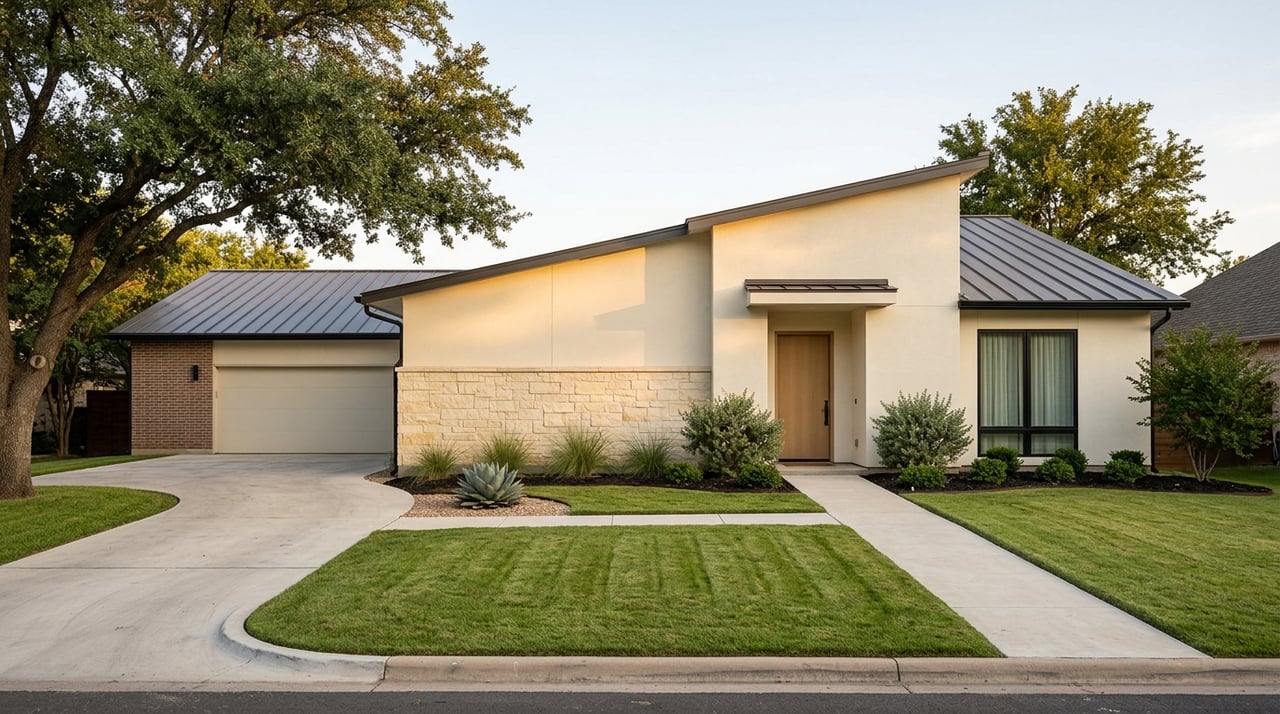
Selling a custom home in Georgetown’s premier communities is rarely as simple as putting a sign in the yard. Buyers in this segment tend to notice design quality, upkeep, documentation, and community details right away. If you want to protect value and stand out in a market where pricing and presentation still matter, preparation needs to start well before your home goes live. Let’s dive in.
Why preparation matters in Georgetown
Georgetown has grown quickly, with the city’s population estimate reaching 101,344 in July 2024. Census data also shows a median owner-occupied home value of $429,100, while Redfin reported a citywide median sale price of $412,500 in March 2026, with homes averaging about 96 days on market and a 97.5% sale-to-list ratio.
For a custom home seller, those numbers point to an important reality. Buyers are active, but they are not ignoring details. In a market like this, strong presentation, complete information, and thoughtful pricing can help support perceived value from day one.
Start with the features buyers already want
Not every upgrade carries the same weight with today’s Georgetown buyers. Redfin’s spring 2026 home-feature data shows strong sale-to-list performance for single-level homes, large living rooms, mature trees, hiking trails, back patios, covered back patios, and large kitchens.
That gives you a useful roadmap before listing. If your home includes indoor-outdoor living spaces, established landscaping, generous gathering areas, or a standout kitchen, those features should be cleaned up, photographed well, and clearly explained in your marketing.
Focus on the spaces buyers notice first
Buyers begin online. NAR’s 2024 buyer profile says all buyers used the internet during their home search, and the most useful website content was photos, detailed property information, and floor plans.
That matters for custom homes because unique properties can be misunderstood if the listing leaves too much unexplained. Before your home hits the market, make sure the story of the floor plan, upgrades, and overall livability is easy to understand without a buyer needing to guess.
Prioritize the living room, kitchen, and primary suite
NAR’s 2025 staging report found that staging often helps homes sell faster, and many agents reported improved offered value as well. The most common recommendations were decluttering, cleaning, and improving curb appeal, while buyers cared most about the living room, primary bedroom, and kitchen.
For Georgetown custom homes, this usually means simplifying decor, reducing personal items, and making these key areas feel bright, open, and polished. If your exterior includes mature trees, a covered patio, or strong outdoor entertaining space, those areas should also be treated like headline features rather than afterthoughts.
Build a pre-listing plan around presentation
A luxury buyer expects a home to feel intentional from the first photo to the final walkthrough. That does not always mean a major renovation. It usually means making smart edits that help buyers focus on the home itself.
Start with the basics:
- Deep clean the interior and exterior
- Remove excess furniture that interrupts flow
- Declutter countertops, shelves, and storage areas
- Refresh landscaping and tidy beds and walkways
- Highlight patios, outdoor seating, and tree canopy
- Replace burnt-out bulbs and correct uneven lighting
- Touch up paint where wear is visible
- Service obvious maintenance items before showings
Create a clean visual story
Custom homes often have better craftsmanship, materials, and layout than surrounding inventory, but buyers still need help seeing it. A clean visual story lets architectural details, ceiling height, natural light, cabinetry, built-ins, and site orientation do the work.
This is where a tailored approach matters. A home with strong bones and quality construction benefits from photography and marketing that show scale, flow, and finish level clearly, not just a generic room-by-room photo set.
Gather your documents early
One of the most overlooked parts of preparing a custom home sale is the paperwork. In higher-end transactions, buyers often ask more detailed questions, and quick, clear answers can help build confidence.
For a previously occupied single-family home in Texas, the TREC Seller’s Disclosure Notice is required. TREC’s current rule update includes disclosure points related to insurance or windstorm coverage, private roads, aboveground storage tanks over 500 gallons that stored petroleum or chemicals, and conservation easements.
Prepare the core seller file
It helps to assemble a pre-listing file before the home goes active. This can make the listing feel more complete and reduce delays once interest picks up.
A strong file may include:
- Completed TREC Seller’s Disclosure Notice
- Builder name and original construction details
- List of upgrades and finish selections
- Repair records and replacement history
- Warranty information, if available
- Utility or system information
- Floor plans, if available
- Survey, if available
For custom homes especially, detailed property information matters. Since buyers value floor plans and complete online information, having builder documents, finish lists, system ages, and upgrade invoices ready can help your home stand apart from a more generic listing.
Add tax and appraisal records
Williamson Central Appraisal District says properties are appraised at market value as of January 1, with notices mailed the first week of April. WCAD also provides access to appraisal notices and property records through its Property Search system, and notes that homestead exemptions for owner-occupied residential property can be filed online through the property record.
Before listing, it is smart to review your current appraisal notice, confirm exemption status, and have a concise summary of the property record available. Buyers may ask about assessed value, exemptions, and ownership history, and it helps to be ready with accurate information.
Explain community details clearly
In Georgetown’s premier communities, the value story is not just the house. Buyers often want to understand amenities, restrictions, dues, assessments, and how the neighborhood is structured.
That means your listing preparation should include a simple, accurate explanation of the community itself. When that piece is missing, buyers may hesitate even if they love the home.
Cimarron Hills sellers should frame the lifestyle
Cimarron Hills is a private golf and country club community in Georgetown with an 18-hole Jack Nicklaus Signature course, clubhouse, spa, fitness center, tennis, pickleball, pool, trails, and luxury residences ranging from the $700s to more than $3 million.
If you are selling in Cimarron Hills, buyers may view the property through both a housing lens and a lifestyle lens. Your preparation should include a clear explanation of how the home connects to the broader community offering, along with any relevant membership structure information that applies to the property.
Wolf Ranch sellers should clarify HOA and MUD details
Wolf Ranch’s HOA says it manages landscape maintenance, common areas, the amenity center and pool, and compliance with governing documents. The HOA also states that Wolf Ranch includes two Georgetown Municipal Utility Districts.
If your home is in Wolf Ranch, buyers may want straightforward answers about what the HOA covers, what amenities are included, and how the utility-district structure affects ownership costs. Having those details organized ahead of time can make conversations smoother and reduce confusion later.
HOA and POA documents matter
If your home is subject to an HOA or POA, Texas Property Code Chapter 207 requires the association to provide current restrictions, bylaws or rules, and a resale certificate in response to a written request. Ordering these items early can help you avoid a scramble once a contract is in motion.
For custom-home sellers, this step is especially useful when the home includes exterior features, additions, or lot-specific improvements. It gives you a cleaner way to answer questions about rules, approvals, and community requirements.
Check city records before making repairs
Some sellers want to complete exterior work before listing, which can be a smart move. But if your home is in or near one of Georgetown’s historic overlay districts, the City’s Historic Planning staff reviews exterior changes for compliance with the Unified Development Code and Historic District Design Guidelines through the Certificate of Appropriateness process.
The City of Georgetown also maintains an online records portal with regularly updated document databases. If you are planning pre-list repairs or verifying prior exterior work, checking city records first can save time and help you avoid surprises.
Price and present with precision
A custom home is different by definition, which makes pricing more nuanced. You are not just comparing bedroom count and square footage. You are weighing architecture, lot quality, builder pedigree, finish level, updates, floor plan functionality, and community context.
That is where thoughtful preparation can support pricing strategy. When your home is presented well and backed by a complete documentation package, buyers have an easier time understanding why it is priced where it is.
What a strong custom-home launch looks like
When sellers in Georgetown’s premier communities prepare well, the launch tends to feel more confident and more cohesive. The best results usually come from three things working together: polished presentation, complete documentation, and a clear explanation of the community.
That combination helps protect perceived value in a market where buyers are informed and selective. It also creates a better experience for everyone involved, from first showing to final negotiations.
If you are getting ready to sell a custom home in Georgetown, a strategic plan can make the process clearer and more efficient. Bryan Thomas Properties brings a boutique, construction-informed approach to pricing, presentation, and marketing so you can position your home with confidence.
FAQs
What should you do first before listing a custom home in Georgetown?
- Start by reviewing the home’s condition, gathering documents, and identifying the features that matter most to buyers, such as outdoor living, mature trees, large gathering spaces, and kitchen presentation.
What disclosures are required for a previously occupied single-family home in Texas?
- Texas requires the TREC Seller’s Disclosure Notice, and sellers should review current disclosure items early, including insurance or windstorm coverage, private roads, certain aboveground storage tanks, and conservation easements.
What documents help support a Georgetown custom-home sale?
- Helpful items include builder information, floor plans, upgrade lists, repair and replacement records, warranty papers, appraisal records, exemption status, and HOA or POA resale documents if the property is in an association.
What community details matter when selling in Georgetown premier neighborhoods?
- Buyers often want clear information about amenities, dues, governing documents, memberships, and utility-district structure, especially in communities such as Cimarron Hills and Wolf Ranch.
What should sellers check if a Georgetown home is near a historic district?
- If the home is in or near a historic overlay district, sellers should verify whether exterior work is subject to the City of Georgetown’s review process and check city records before completing pre-list repairs.
What rooms should sellers focus on when preparing a custom home for market?
- The living room, primary bedroom, and kitchen deserve special attention, along with curb appeal and outdoor spaces such as patios, covered patios, and landscaped yard areas.