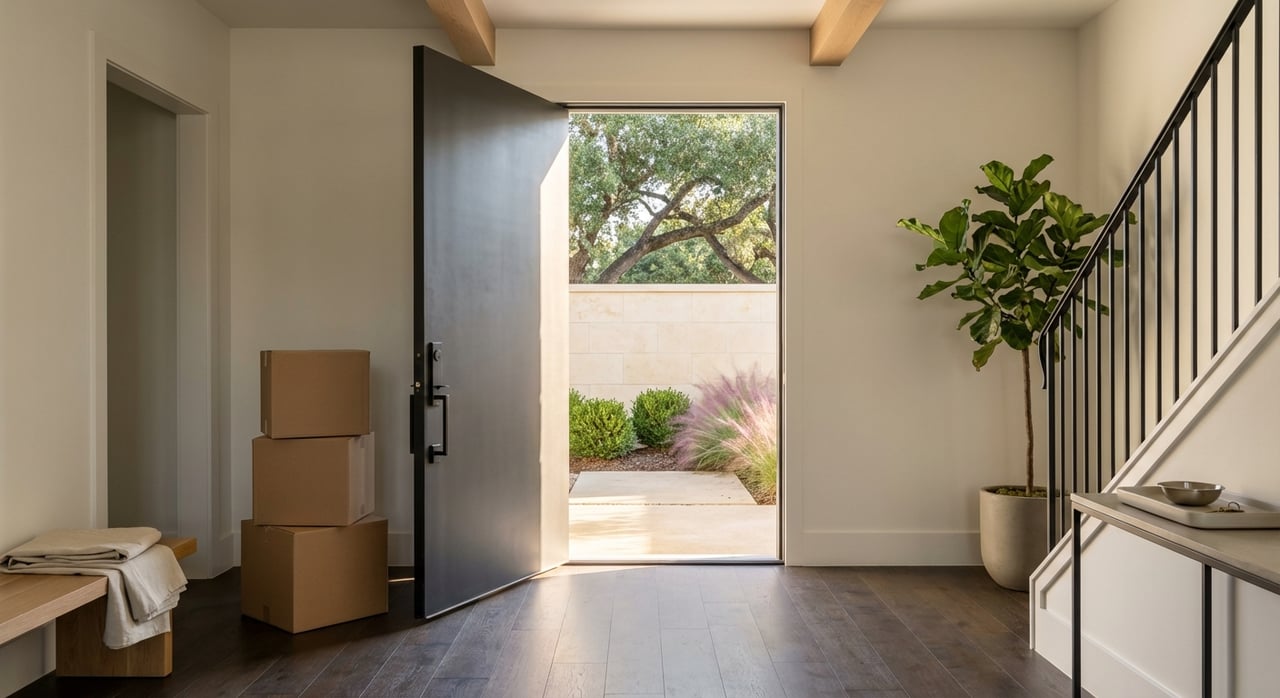
Wish you could sell your Cedar Park home and buy the next one without packing a storage unit or moving twice? You’re not alone. Families here often juggle school calendars, lender timelines, and market pace, and a mistimed step can force a second move. In this guide, you’ll learn the proven Texas tools and timelines to align both closings so you move only once. Let’s dive in.
Know Cedar Park timing
Cedar Park sits mostly in Williamson County with a small portion in Travis County, and most addresses feed into Leander ISD with some in Round Rock ISD. That mix means school‑zone timing and preferred closing windows often drive your calendar. You can confirm city and county basics using the city’s profile and then verify school zoning by address through the district sites. For a quick local snapshot, see the city’s overview of Cedar Park and its county context in Williamson County and nearby Travis County at the Cedar Park city profile.
Market pace fluctuates through the year. Recent trackers have shown median values in the mid‑$400s to around $500,000 with time to pending ranging from several weeks to a few months. Because sources vary, rely on neighborhood MLS comps for exact pricing and absorption. The goal is to size your listing timeline so it fits your purchase window.
Why this matters: days on market plus lender and appraisal timelines set your playbook. In some months, you can go under contract quickly and roll sale proceeds into the next home. In slower periods, you may need a rent‑back, a bridge loan, or a tight contingency to keep your single move intact.
Path 1: Sell first with a rent‑back
A rent‑back lets you close the sale, then stay in the home for a short, agreed period. In Texas, you use the TREC Seller’s Temporary Residential Lease for up to 90 days after closing. The form sets daily rent, collects the full amount and deposit at funding, and clearly states repair, indemnity, and insurance responsibilities.
How it works
- You and the buyer agree to post‑closing occupancy, daily rent, and a defined move‑out date.
- Both parties sign the TREC temporary lease as part of the sale.
- The buyer’s lender must permit post‑closing occupancy. Some loan programs limit the allowed duration.
Pros
- You avoid a double move if you can find and close on the next home during the lease window.
- Buyers often value a firm possession date, which can help your sale terms.
Risks and limits
- You become a tenant after closing. You are responsible for damage during your stay, and insurance coverage can change. The TREC lease flags that possession changes may affect insurance, so confirm coverage with your carrier and the buyer’s carrier before closing.
- The longer the rent‑back, the less attractive it is to buyers and lenders. In practice, 7 to 30 days works best.
Negotiation tips
- Keep the term short and rent at a market‑rate number.
- Put a clear move‑out date, holdover damages, deposit amount, and insurance obligations in writing using the TREC form.
Path 2: Buy first using bridge cash or a HELOC
If you want maximum flexibility on the purchase side, you can close on the new home first and then sell your current one. To access your equity for the down payment, you may use a bridge loan or a home equity product.
Common tools
- Bridge loan. A short‑term loan secured by your current equity that frees up cash so you can write a non‑contingent offer. Expect higher fees and tighter underwriting for equity and debt‑to‑income. See an overview of bridge financing basics.
- HELOC or home equity loan. Often lower carrying costs than a bridge loan. A HELOC is variable rate. Underwriting and seasoning rules can affect how your new mortgage is qualified. Learn how buyers often combine these approaches in this consumer guide.
Pros
- You can make a strong, non‑contingent offer in competitive pockets.
- You move once, with no need for temporary housing.
Risks and lender realities
- You may carry two payments for a period. Many lenders require you to qualify with both payments or to document reserves. Ask your loan officer for a written feasibility that states whether they will count your pending sale and what reserve level they require.
When this fits
- You have meaningful equity, strong credit, and stable income.
- The home you want is rare or time‑sensitive and you need to compete without a sale contingency.
Path 3: Make your purchase contingent on your sale
You can condition your purchase on selling your current home. In Texas, you add this with the TREC Addendum for Sale of Other Property by Buyer. Sellers may also keep marketing and accept a second offer by using the TREC Back‑Up Contract Addendum.
Pros
- You protect against carrying two mortgages if your sale is delayed.
Market reality and how to improve odds
- Contingent offers are often less competitive. If you must use one, keep timelines tight, show your home is fully ready to sell, and be prepared to accept a short “kick‑out” window if the seller receives another offer.
Mechanics to expect
- Your contract states a deadline for your sale. If your sale misses that date and you cannot remove the contingency, the seller can move on.
- Once your contingent offer is accepted, focus on rapid listing prep and pricing based on current Cedar Park comps.
Path 4: Back‑up contracts and staged one‑move workflows
A back‑up contract lets you lock in a second‑position purchase that becomes primary if the first contract cancels. In Texas, use the TREC Back‑Up Contract Addendum. Pairing a back‑up on your purchase with a rent‑back on your sale can reduce the chance of a gap between homes while keeping your move to one trip.
When to use
- You love a home that is already under contract but want a real plan B.
- You want to keep your sale progressing, then step in on the purchase only if the first buyer falls out.
Contracts and protections that matter in Texas
Most resale deals use the TREC One to Four Family Residential Contract (Resale) with addenda attached as needed. Your agent will right‑size timelines, option periods, and occupancy agreements so both sides stay protected.
- Seller’s and buyer’s temporary leases. If either party needs short occupancy before or after closing, the TREC temporary lease forms set the rules and flag insurance considerations. For post‑closing seller occupancy, use the Seller’s Temporary Residential Lease.
- Option period. Texas resale contracts commonly include an option period, often 7 to 10 days, that gives the buyer a short, paid window to inspect and negotiate repairs. See the option period basics.
- Seller’s disclosure. Texas Property Code §5.008 requires most sellers to deliver a Seller’s Disclosure Notice on or before the effective date. Learn the basics of the Seller’s Disclosure statute. Complete it truthfully and update it if conditions change.
- Escrow holdbacks. If a lender‑required repair cannot be completed before closing, some loan programs allow a repair escrow with caps and timelines. Discuss feasibility early with the lender and title company. Here is a plain‑English explainer on escrow holdbacks.
An 8‑week one‑move plan
Use this as a starting point and adjust to your goals, price band, and lender timing.
- Weeks −8 to −4: Meet your lender to review qualifying while carrying your current mortgage, plus bridge or HELOC options, rates, and reserve requirements. Begin light repairs, decluttering, and staging. Order pre‑inspections if they lower risk.
- Weeks −2 to 0: Launch your listing with polished presentation. Discuss with your agent whether to request a short rent‑back or to align closings. Ask the seller of your target property about a preferred closing window.
- Contract day (Day 0): Accept a strong offer. If you plan to stay after closing, sign the TREC Seller’s Temporary Residential Lease with clear dates, rent, and insurance terms.
- Days 1 to 10: Option period. Complete inspections, negotiate repairs or credits, and confirm loan files are clean on both transactions.
- Days 10 to 30+: Appraisal, underwriting, and final title work. If you plan same‑week closings, coordinate with both title companies and lenders early. Set realistic weekday windows for funding and key exchange.
Your negotiation playbook
- Favor short rent‑backs. Buyers and lenders are more comfortable with 7 to 30 days. Make the rent market‑rate, pay it at funding, and define move‑out terms in writing.
- If buying first, get a written lender note stating whether you must qualify with both payments and how many months of reserves are required. That clarity prevents last‑minute changes.
- If using a sale contingency, attach a tight timeline and a clear marketing plan. Be ready to allow a short kick‑out if the seller receives a better offer.
- Consider a back‑up contract on the purchase. It keeps a preferred home within reach without forcing you to pause your sale.
- Coordinate early with your title company. Confirm HOA documents, payoffs, prorations, and any special taxing district disclosures to avoid delays.
Risks and how to reduce them
- Financing fall‑throughs. Mitigate with early lender underwriting, clear reserve planning, and realistic timelines for appraisals and title.
- Insurance gaps during a rent‑back. The TREC temporary lease notes that possession changes may affect coverage. Call both insurers before you sign so endorsements are in place by funding.
- Repair delays that threaten funding. Ask about an escrow holdback early if a minor repair cannot be completed before closing and your loan program permits it.
- Contingent offer rejection. If the market segment is competitive, consider bridge or HELOC financing to remove the contingency and strengthen your offer.
What to do next
- Call your lender. Ask about qualifying while carrying your current mortgage, the cost and timeline for bridge or HELOC funds, and reserve requirements. A quick consult using this bridge financing overview can frame options.
- Ask your agent for a one‑move plan. Align listing dates, option periods, and targeted closing windows. Prepare the TREC Seller’s Temporary Residential Lease language if you plan to stay post‑closing.
- Coordinate with title early. If repairs or timing are tight, discuss whether an escrow holdback is viable for your loan type.
If you want a boutique, construction‑savvy plan that protects your timeline and presentation, you’re in the right place. From pre‑listing prep to cross‑closing logistics, we can help you move once and move well in Cedar Park. Work with Bryan Thomas Properties to map your one‑move strategy.
FAQs
What is a rent‑back in Texas for Cedar Park sellers?
- A rent‑back is a short post‑closing occupancy where you sell the home, then stay under the TREC Seller’s Temporary Residential Lease for up to 90 days with defined rent, deposit, and move‑out terms.
How long can I stay after closing under the TREC lease?
- The TREC Seller’s Temporary Residential Lease allows occupancy up to 90 days; longer stays require a standard lease and additional legal and lender considerations.
Will my homeowners insurance cover me during a rent‑back in Cedar Park?
- Not automatically. The TREC lease warns that possession changes may affect coverage, so confirm endorsements and effective dates with both parties’ insurers before funding.
Can I buy before I sell in Cedar Park using a bridge or HELOC?
- Yes, if you qualify. Review equity, credit, and reserves with your lender and see this bridge financing explainer for typical requirements and costs.
How does a Texas sale‑of‑other‑property contingency work?
- You attach the TREC Addendum for Sale of Other Property by Buyer to your purchase. Your closing is conditioned on selling your current home by a stated date, or the seller may move on.
What is a back‑up contract and why consider it in Cedar Park?
- A back‑up contract, created with the TREC Back‑Up Contract Addendum, places you next in line if the first buyer cancels. It is useful when you want certainty without pausing your sale.
Can we still close in Cedar Park if a repair is not finished?
- Sometimes. Some loans allow an escrow holdback with caps and strict timelines. Ask the lender and title company early to confirm program rules.