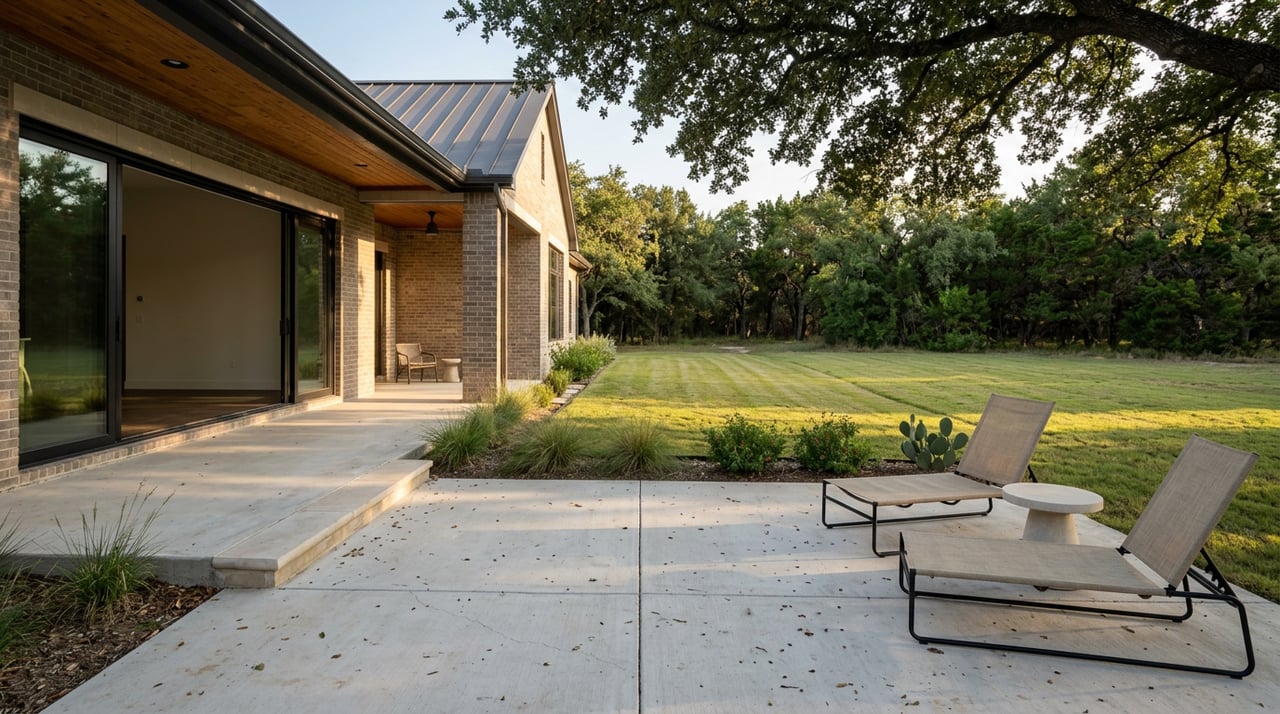
Craving more sky, more elbow room, and a quieter daily rhythm without losing touch with Austin? If acreage around Liberty Hill has your attention, you are not alone. Rapid growth has brought new options while the Hill Country setting still delivers space and privacy. In this guide you will see what acreage living really looks like day to day, the projects most owners tackle, and the practical checks that protect your investment. Let’s dive in.
Liberty Hill location and growth
Liberty Hill sits in western Williamson County along SH‑29 and US‑183, about 30 miles northwest of downtown Austin. That geography gives you a Hill Country feel with access to regional job centers and shopping within a drive, though timing varies by traffic. You can confirm the regional context in this overview of the area’s school district and location near Austin’s employment centers from a recent district report. The report places Liberty Hill roughly 30 miles from Austin’s core.
The city has grown fast. U.S. Census estimates list a 2024 population of 11,984 compared with 3,646 at the 2020 Census. That growth helps explain new retail, schools, and construction activity, along with more traffic in former rural pockets. You can view the latest city estimate on the Census QuickFacts page for Liberty Hill.
Development today is a mix: older ranches and small‑town parcels, newer master‑planned communities with larger lots, and raw acreage still used for hobby farming or private ranchland. Large master plans like Lariat continue to add homesites and amenities that shape the social rhythm if you prefer an amenity‑rich base with more land. See an example of planned community growth in this Lariat fact sheet.
What lots look like
You will see three broad categories on the market:
- Small ranchettes on about 1 to 3 acres.
- Gated or semi‑custom enclaves with 1 to 3 acre “luxury” lots.
- Larger acreage tracts of 5 to 50+ acres, often with livestock or native rangeland.
Recent area plats show densities in the low single digits of acres per lot in certain subdivisions, while nearby parcels remain large and more unrestricted. Many recorded plats also note individual wells and on‑site sewage systems by design, which directly affects your build plan and budget. You can review an example of a local preliminary plat that references on‑site utilities and lot patterns here.
Daily life on acreage
Mornings tend to be quieter, with longer drives for errands and less sidewalk culture. Expect to spend a bit more time on property care before you head out, whether that is checking well pressure, walking a fence line, or tackling irrigation and garden tasks. In planned communities with amenity centers and trails, your social routine may include meetups and events. On larger tracts you will likely enjoy more separation, darker night skies, and regular wildlife sightings.
Privacy varies by parcel size and setting. In small subdivisions you may see neighboring homes across a pasture. On 10+ acre tracts, you often experience more distance and a stronger sense of retreat. Master‑planned areas deliver shared spaces and consistent design, which creates a different, more community‑oriented pace than pure rural ranchland.
Projects you will plan
Most acreage buyers take a multi‑year approach to outdoor improvements. Common projects include:
- Establishing a raised‑bed garden, orchard rows, or native beds.
- Building a barndominium, barn, or workshop for storage and hobbies.
- Installing or upgrading perimeter and cross fencing for pets or livestock.
- Creating small pastures or a riding arena where appropriate.
- Adding outdoor living areas like covered patios, firepits, and expanded decks.
- Considering a stock tank or pond where permitted and feasible.
Plan to stage these projects to match your budget and the land’s natural rhythms. Seasonal access, soil depth, and the Hill Country mix of limestone and native oaks will guide what you build first.
Water, septic, and utilities
Many acreage tracts outside central utility footprints rely on private wells and on‑site sewage systems. Recorded plat notes and seller disclosures in the area often specify individual wells and OSSF, which makes water availability, well yield, and septic suitability critical purchase checks. Review a representative plat that references individual wells and on‑site sewage here.
In Texas, on‑site sewage facilities are regulated under state and local rules. Before building or replacing a system, you will need to confirm permitting, site suitability, and any pre‑construction approvals. For a plain‑English overview of Texas OSSF rules and permitting steps, consult this summary of septic system regulations in Texas.
Broadband access is strong inside the incorporated city overall, but speeds and technologies vary by parcel on the rural edge. Some addresses are served by fiber or cable, while others rely on fixed‑wireless or satellite. Always run exact address checks with providers before you assume a particular service tier.
Wildlife and Hill Country setting
Williamson County acreage often brings regular sightings of whitetail deer, wild turkey, and other native species. Feral hogs are present across the region as well, and local wildlife areas list these species as commonly managed. For a sense of regional wildlife context and management priorities, see this overview tied to the nearby Granger Wildlife Management Area.
The landscape’s oak and ashe juniper mix creates both beauty and maintenance needs. Many owners plan ongoing brush management to balance habitat, access, and firewise practices. Night skies can be darker than in denser suburbs, though this varies with neighbor lighting and nearby development.
Taxes and special districts
Property taxes in Williamson County are layered. Your bill may include county, school district, and city rates, along with special districts such as MUDs, WCIDs, or ESDs. Newer subdivisions commonly use special districts to finance water, sewer, and roads, which adds recurring obligations. When you compare parcels, confirm tax rates and appraised values through the Williamson Central Appraisal District.
Maintenance and land care
Acreage ownership comes with routine tasks. Expect mowing or brush mowing, fence repair, tree trimming, and well and septic servicing on a schedule. Add erosion control, gate and driveway maintenance, and selective cedar or brush control where needed.
The Hill Country mix of thin soils over limestone can influence how fast driveways wear and how difficult fence post setting or trenching becomes. Many owners consult state and local land‑management resources for brush control, pasture improvement, and planning defensible space. For curated technical resources used by Hill Country landowners, explore this Hill Country land management resource hub.
Wildfire is a consideration in cedar‑heavy pockets. Creating a home ignition zone, managing ladder fuels, and choosing defensible landscaping are common best practices. Local and state forestry resources can help you tailor a plan that fits your site.
Access, retail, and services
Drive times depend on your exact address and time of day. Liberty Hill is about 30 miles from downtown Austin, and typical commutes to Austin or North Austin can range from about 30 to 60 minutes or more with traffic. If your lifestyle relies on frequent trips, factor in the tradeoff: more land and a quieter setting in exchange for a longer, less predictable commute. The school district’s regional overview also highlights Liberty Hill’s location relative to key corridors and employment nodes; you can view it here.
Retail is expanding along SH‑29, US‑183, and Ronald Reagan Boulevard, with new neighborhood centers and larger anchors announced or proposed. These openings reduce drive times for groceries and basics compared with a few years ago, though always verify tenant lists and opening dates. For a roundup of planned retail projects in and around Liberty Hill, review this community development update.
Public schools in much of the area are served by Liberty Hill ISD. Attendance zones can change with growth, so confirm current boundaries with the district directly during your search. If schools matter to your plan, align your short list with the latest zone maps before you write an offer.
Emergency services include local fire and EMS coverage through emergency services districts and county resources. As growth continues, new stations and medics have been added in parts of the county to improve response. You can find local context on ESD coverage in the Liberty Hill area within this community information resource. For any given parcel, ask sellers or the county about typical response times.
Smart buyer checklist
Use this quick list to focus your due diligence:
- Water and wells
- Require a recent well test or driller’s report, and ask about pump age and service history.
- Confirm any water‑related easements that cross the property.
- Septic and site suitability
- Verify OSSF permitting requirements, soil suitability, slope, and any floodplain constraints before you finalize plans.
- If building new, budget for design, permitting, installation, and maintenance.
- Utilities and broadband
- Run exact address checks with ISPs for fiber, cable, or fixed‑wireless availability and speeds.
- Confirm power routing, meter location, and any extension costs.
- Taxes and districts
- Compare total tax rates and appraised values through the county appraisal district.
- Ask whether a MUD, WCID, or ESD applies, and note any recurring fees.
- Access and commute
- Test drive your routes during your actual commute window.
- Factor in school traffic on SH‑29 and major corridors.
- Land care and wildfire
- Plan for regular mowing, brush control, and tree maintenance.
- Create a defensible space plan for cedar‑heavy areas.
- Future projects
- Map long‑term improvements like barns, workshops, and fencing to match budget and terrain.
- Stage projects to minimize rework as your property evolves.
Work with a builder‑minded advisor
Acreage living rewards good planning. The right parcel can support your ideal home, barn, and outdoor spaces if you align utilities, access, and land care from the start. With deep construction and project management experience, we help you evaluate site conditions, coordinate due diligence, and manage a seamless path to build or renovate.
If you are considering acreage in Liberty Hill or the North Austin corridor, let’s talk about your goals and translate them into a practical plan. For boutique guidance backed by global marketing reach, connect with Bryan Thomas Properties. We will help you buy with confidence and build with clarity.
FAQs
How far is Liberty Hill from Austin, and what are typical commutes?
- Liberty Hill is about 30 miles from downtown Austin, and typical commutes to Austin or North Austin can range from roughly 30 to 60 minutes or more depending on traffic, as noted in a regional district overview you can review here.
What wildlife should you expect on acreage near Liberty Hill?
- You will commonly see whitetail deer and wild turkey, and feral hogs are present across the region; regional wildlife management resources discuss these species, including this overview of the nearby Granger WMA.
Do most acreage lots have city water and sewer in Liberty Hill?
- Many acreage parcels use private wells and on‑site sewage systems, which are referenced in local plats and regulated under Texas OSSF rules; see an example plat here and a plain‑English OSSF guide here.
How is internet service on rural‑edge parcels?
- Broadband adoption is high inside the city overall, but speeds and technologies vary by parcel; many rural‑edge addresses rely on fixed‑wireless or satellite, so always run an exact address check before you buy.
What taxes and fees should acreage buyers expect?
- Property taxes are layered across county, school district, city, and sometimes special districts like MUDs, WCIDs, or ESDs; compare rates and valuations through the Williamson Central Appraisal District.
What retail and services are coming to Liberty Hill’s corridors?
- Growth along SH‑29, US‑183, and Ronald Reagan Boulevard is bringing new neighborhood centers and anchors; you can scan planned projects in this development roundup.
How do you plan for wildfire and brush management on acreage?
- Cedar and oak mixes can raise fuel loads, so owners often create a home ignition zone and use defensible landscaping; find practical Hill Country land‑care resources here.